Routing in APAC: What We Learned at APRICOT 2026
Table of contents
The recently concluded APRICOT 2026 conference in Jakarta once again confirmed: if you want to understand where operational reality of inter-domain routing in the Asia-Pacific region is heading — come and listen to engineers who keep this infrastructure running in production.
Huston and the BGP Reality: Plateau Instead of Growth
Geoff Huston from APNIC, in his traditional talk “BGP in 2025,” presented data that hadn’t seen laid out so clearly: the IPv4 routing table has essentially plateaued at around 1 million prefixes, the IPv4 address market is degrading (prices dropped from $60 per /32 to $11–20), and IPv6 growth has stagnated.
Huston’s quote hit home:
“We’re entering a post-Internet world where routing becomes a last-mile local problem”.
This isn’t abstraction — it’s what we’re seeing in our own ASes: the main headache now isn’t in core routing, but in getting traffic to the user through increasingly fragmented infrastructure.
Bush and RIPE Atlas: When Theory Becomes Debugging
Randy Bush from IIJ demonstrated practical use of RIPE Atlas for diagnosing routing and forwarding problems. His approach isn’t monitoring for dashboards — it’s a tool for real-time troubleshooting when your AS-path looks correct but packets are going nowhere.
For us, this validated our experience: distributed measurements are no longer optional but necessary when you’re dealing with inter-domain routing in the region’s heterogeneous networks. Worth noting that interesting debugging and route lookup tools are also available on IPTP Networks website — another practical resource for operators.
From ROA to ASPA: Community Moves from “Why” to “How
The routing security session series showed that APAC operators are no longer debating whether RPKI is needed — they’re discussing how to properly implement ASPA (Autonomous System Provider Authorization) to protect against route leaks.
The Indonesia numbers are impressive: ROA coverage grew from 66% to 90.5% in three months. We’re also starting ASPA preparations in our ASes, and the talks gave us insight into the pitfalls early adopters have already encountered.
One comment from the conference nailed it:
“RPKI, ASPA, post-ROV scenarios — the community has moved from ‘why’ to ‘how to do it right'”.
Takeuchi and the Reality of Multi-Homing Routing
Unexpectedly useful was a talk by young engineer Michael Takeuchi, “Routing at Scale: Challenges in Indonesia’s Multi-IXP Ecosystem”. He described operational problems Indonesian operators face: congestion, asymmetric routing, and manual policy management in the absence of common standards and unified monitoring systems when working with multiple IXPs simultaneously.
This isn’t abstract theory — these are exactly the same problems we see in our network when connecting to multiple peering points.
Key takeaway: multi-IXP routing problems aren’t just technical but organizational. What’s needed isn’t just protocols, but coordination between operators and shared operational practices.
Bottom Line
APRICOT demonstrated that APAC operators work under conditions that often differ from European or North American ones: different scales, different infrastructure constraints, different threat models.
But that’s precisely why creative engineering solutions are born here and talks emerge that provide not theory but real experience — from veterans like Huston and Bush to young engineers solving problems in their ASes right now. Next APRICOT is definitely going on the calendar.
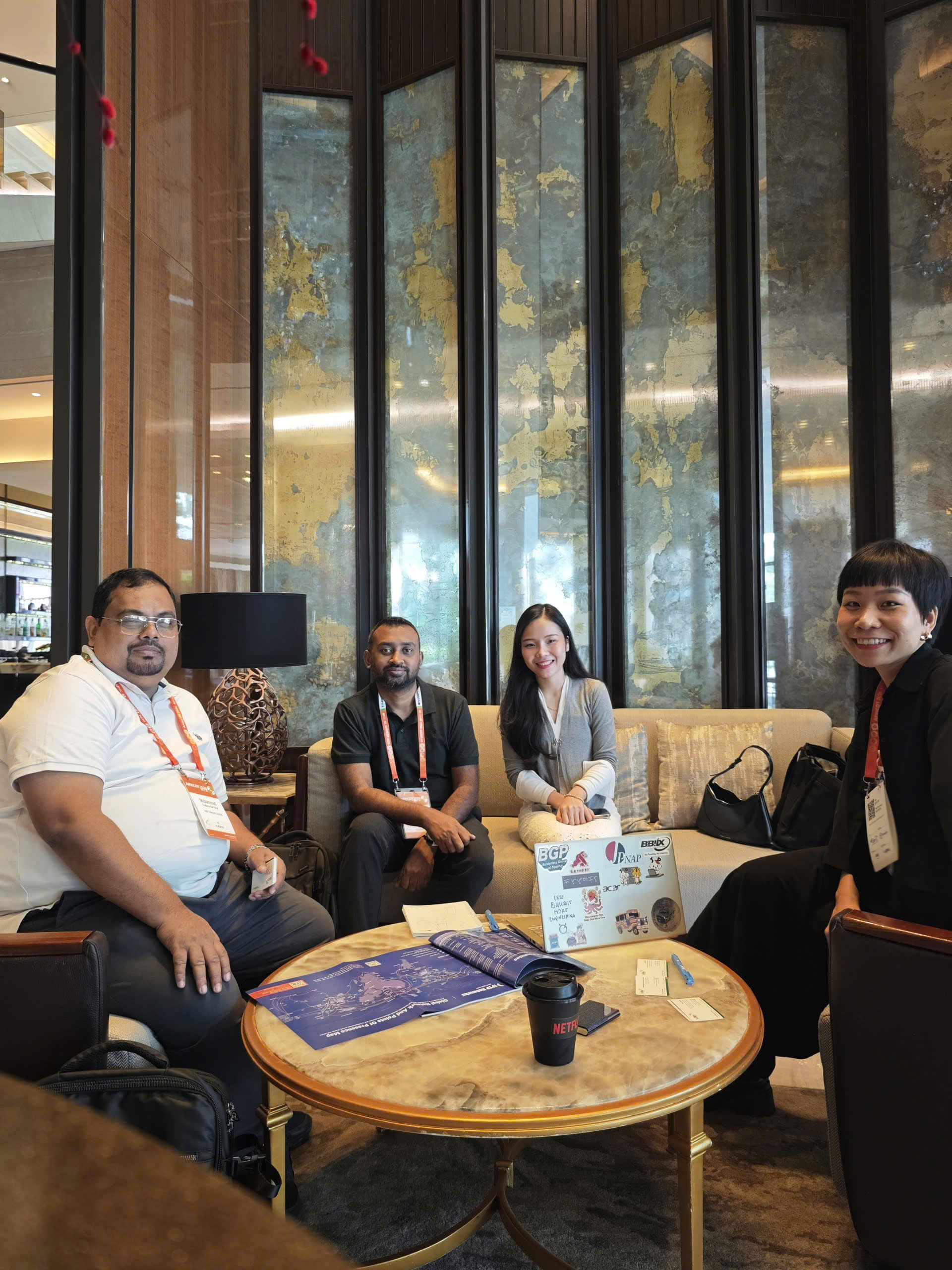
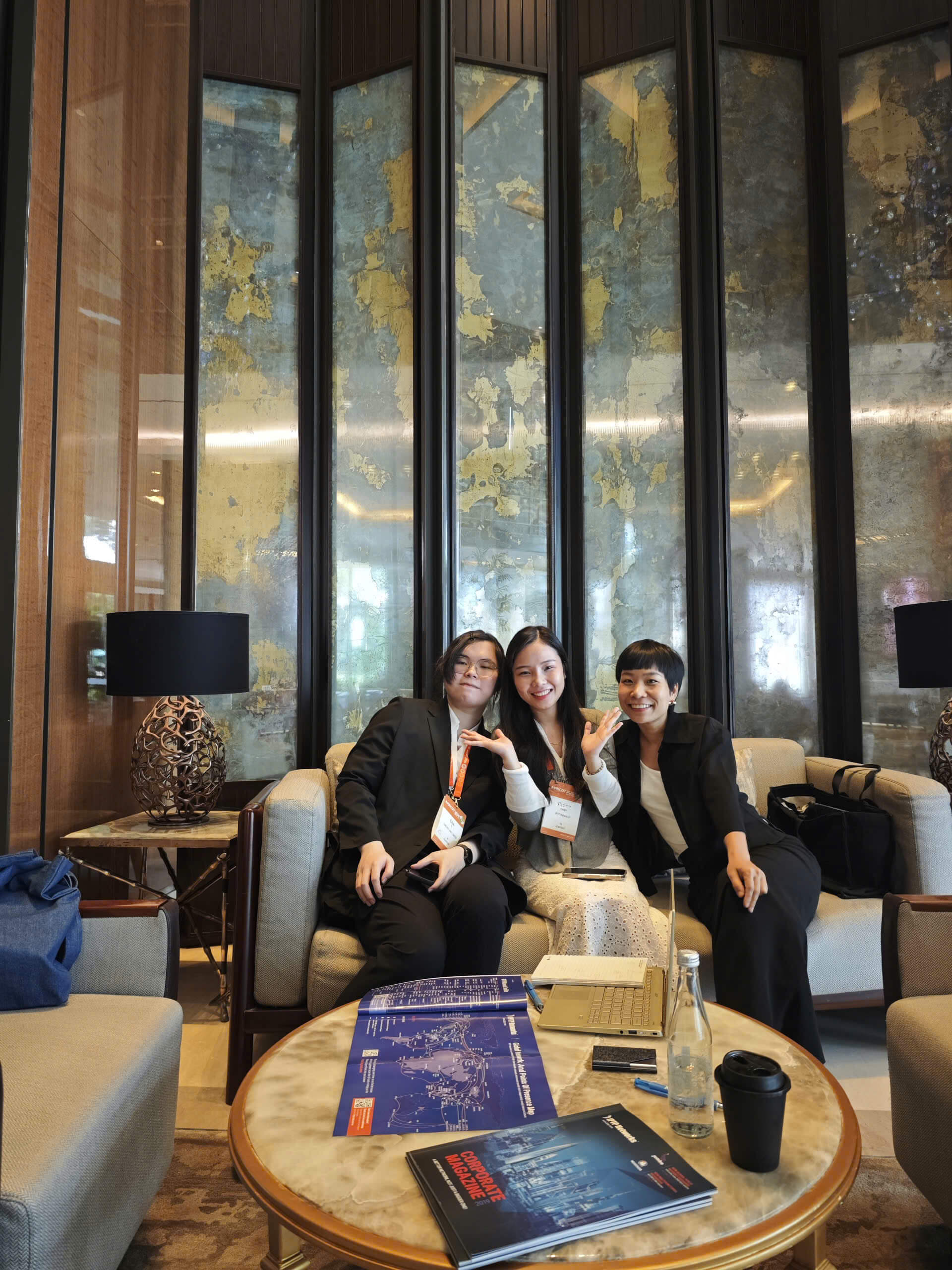
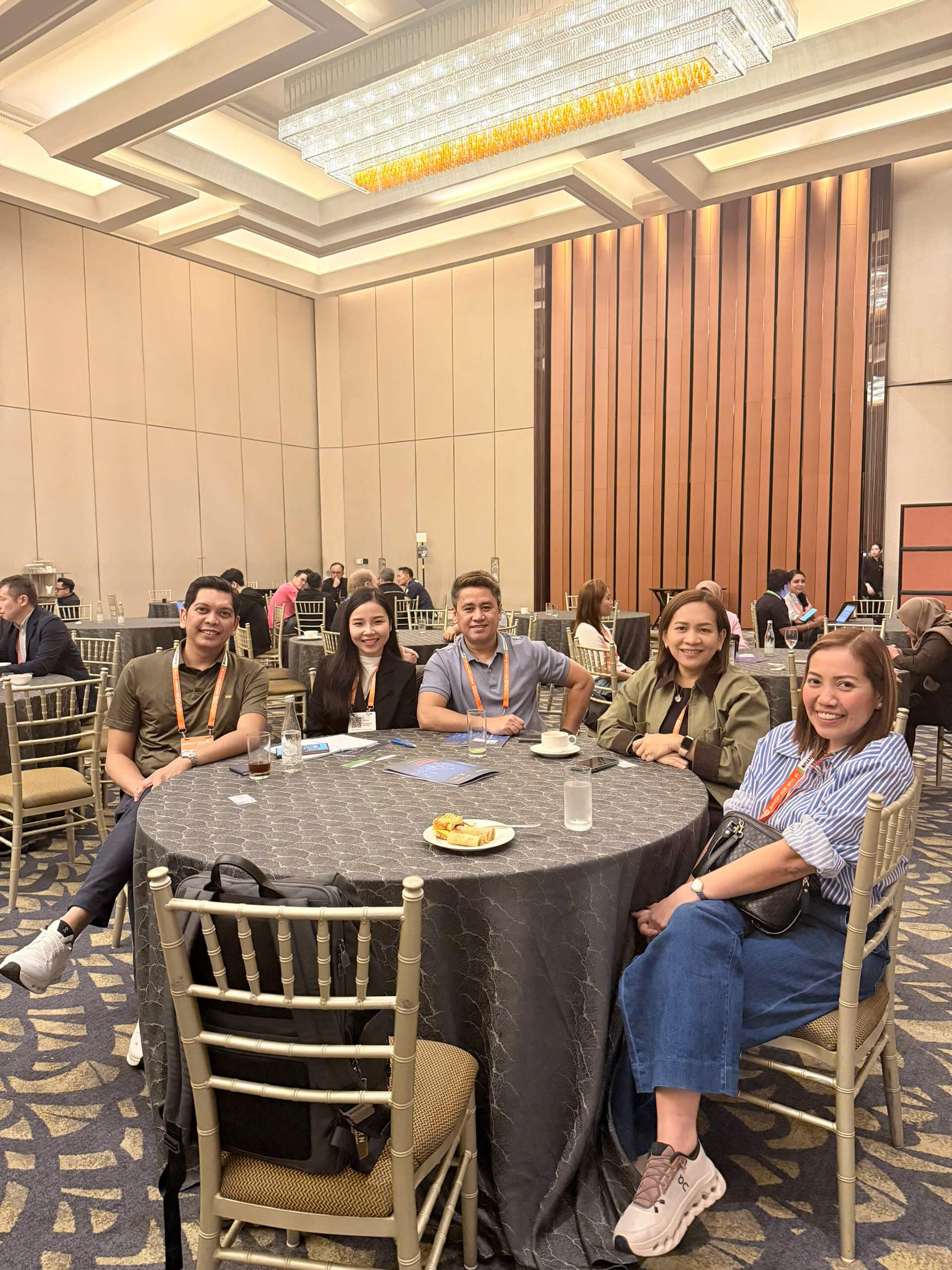
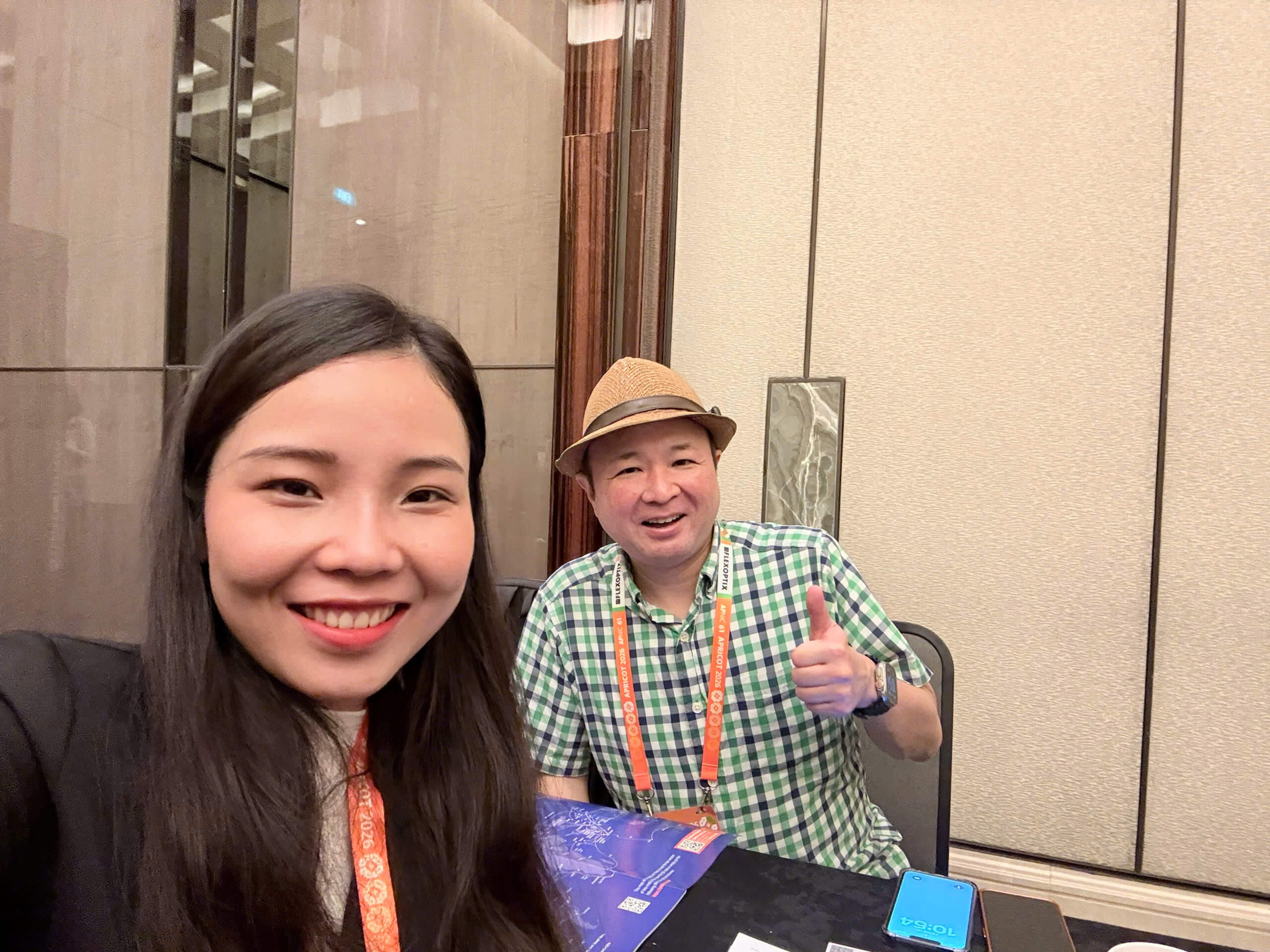
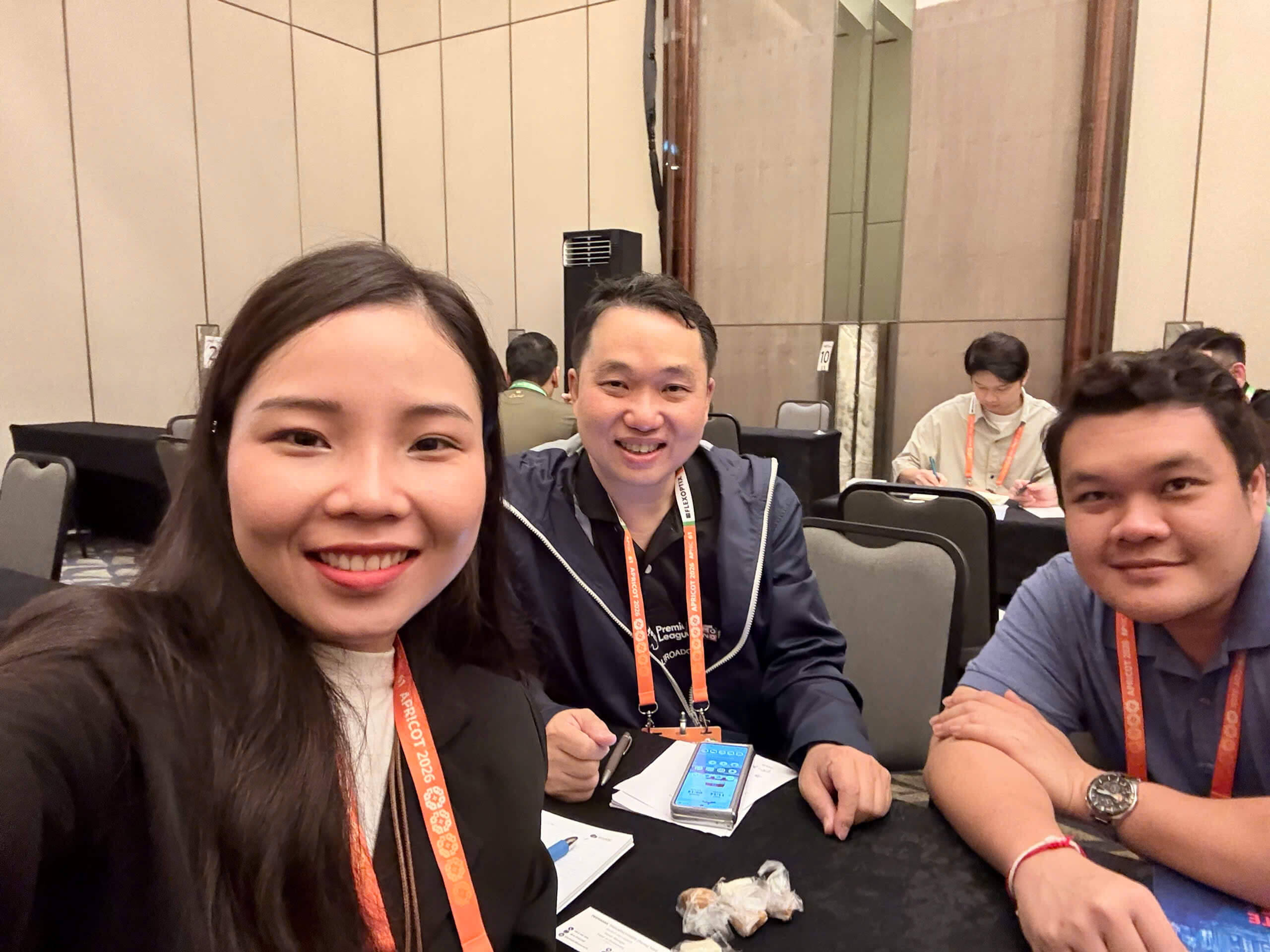
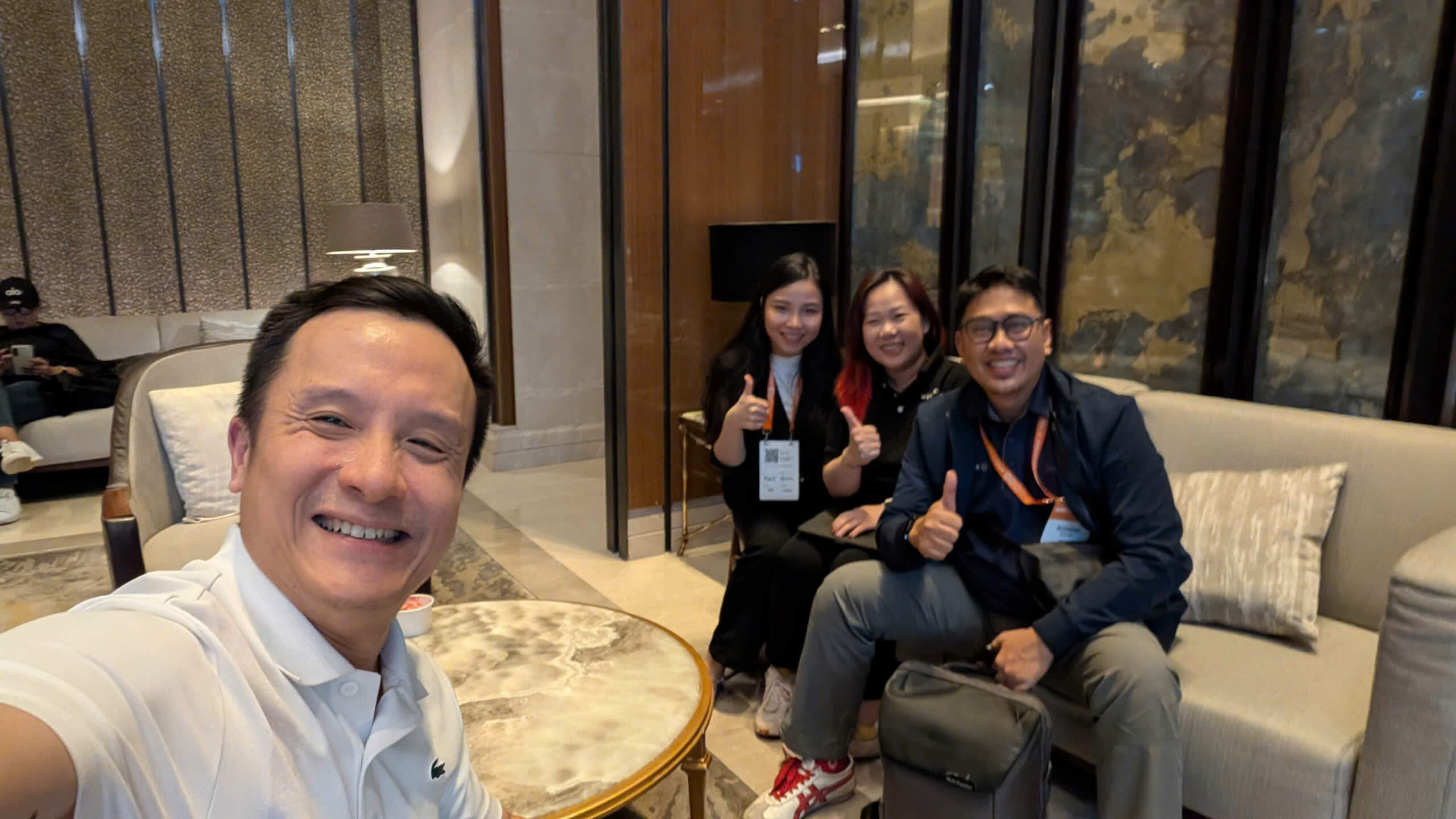
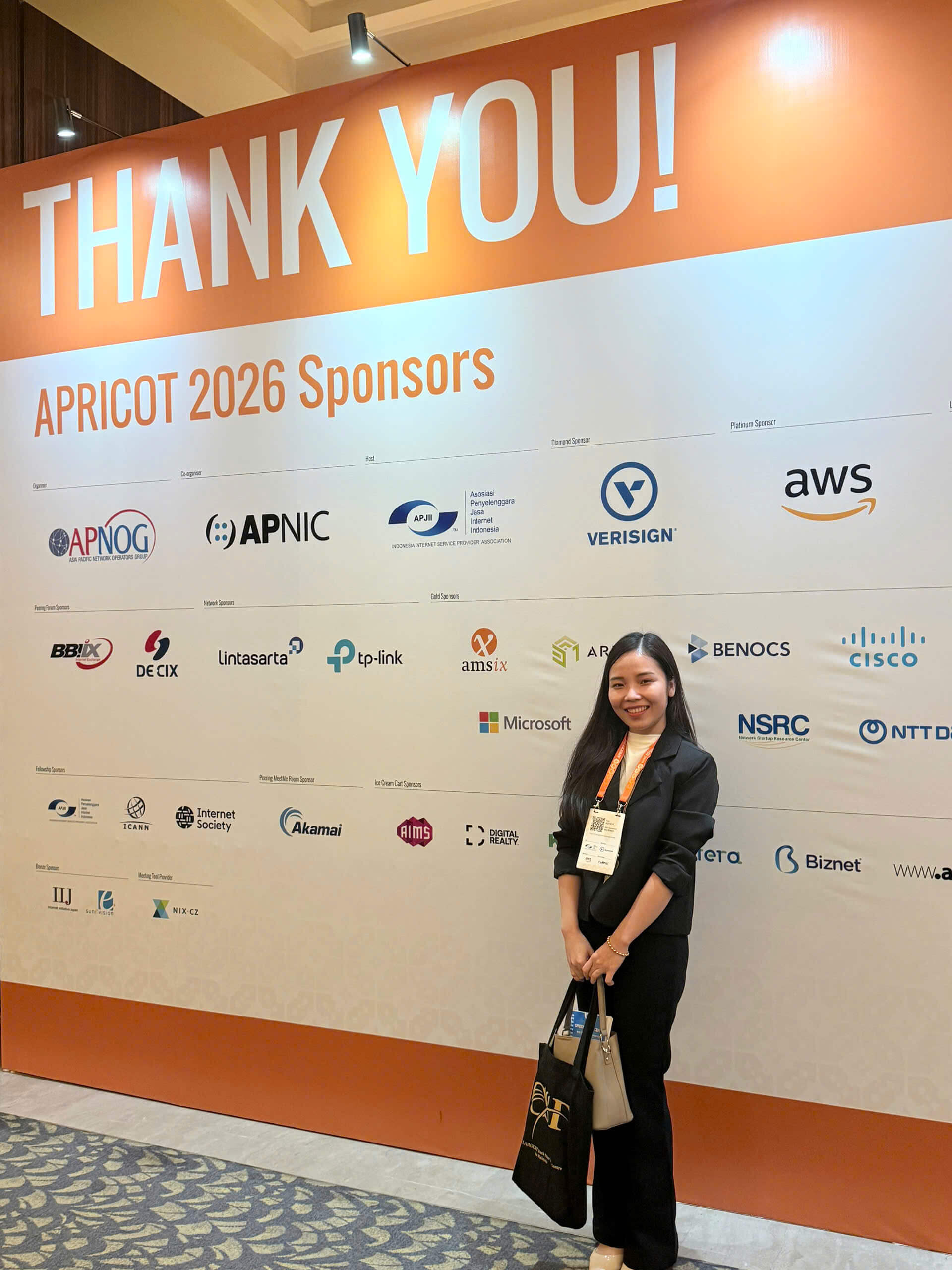
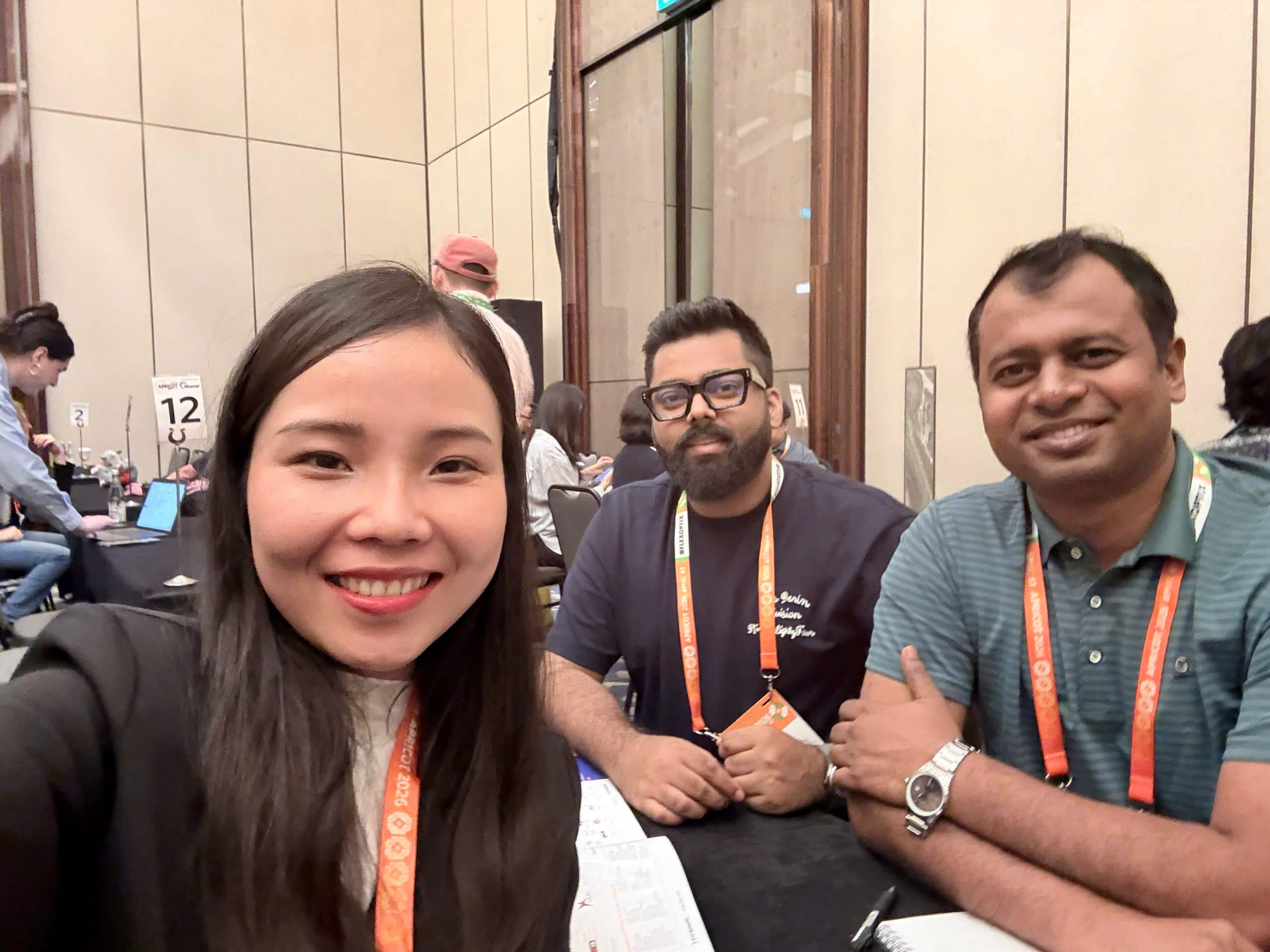
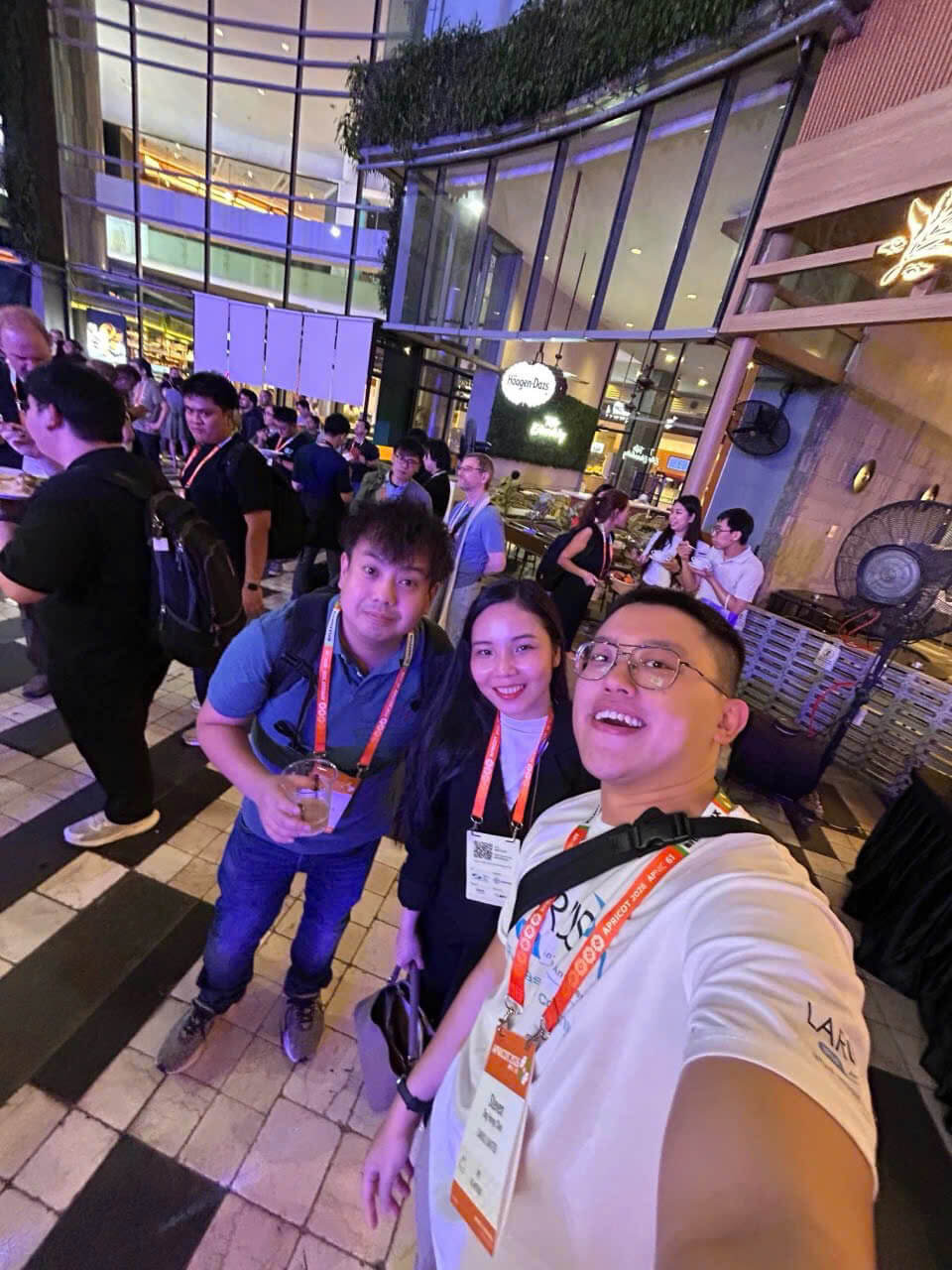
Our Team in APRICOT 2026